
AGE IS NOT A DISEASE
by Dr. Rachel Addleman, DVM, DiplABVP,
CVA
Veterinarian and Certified Veterinary Acupuncturist, Dr. Addleman has
advanced training and Board Certification in feline medicine. She practices
in Houston, Texas and can be found at
AnimalFixer.com
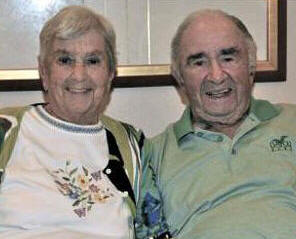 Jack
and Pearl Abrams of Newport, Rhode Island, celebrated their 70th wedding
anniversary this year. Jack, 93, makes minyan every Shabbat at Touro
Synagogue, the oldest in the nation. Jack speaks lovingly to Pearl,
93, his "kahllah" (Yiddish for bride), as he often calls her. They owned
a butcher shop and sold meat to iconic families including the Auchincloss
and von Bulows.
Jack
and Pearl Abrams of Newport, Rhode Island, celebrated their 70th wedding
anniversary this year. Jack, 93, makes minyan every Shabbat at Touro
Synagogue, the oldest in the nation. Jack speaks lovingly to Pearl,
93, his "kahllah" (Yiddish for bride), as he often calls her. They owned
a butcher shop and sold meat to iconic families including the Auchincloss
and von Bulows.
They still live in the house they bought in 1944. Jack reminisces about
serving his country during WWII, as a cook aboard the submarine the
USS Sunfish. Each year, the couple looks forward to wintering in Indian
Rocks Beach, Florida where they dance the nights away enjoying their
28-year retirement and three great-grandchildren.
Two years ago, Jack started having pain in his hip. After months of
terrible suffering, he had a hip replacement at 92. It was a slow and
frustrating recovery. Jack worried they would never again be able to
make their annual trip to Florida. With the help of good doctors and
physical therapists, and with family support, he and Pearl are back
to dancing the nights away.
Jack’s story of recovery reminds me, as a veterinarian, that even my
oldest patients deserve treatment options; age is not a reason to ignore
painful medical conditions.
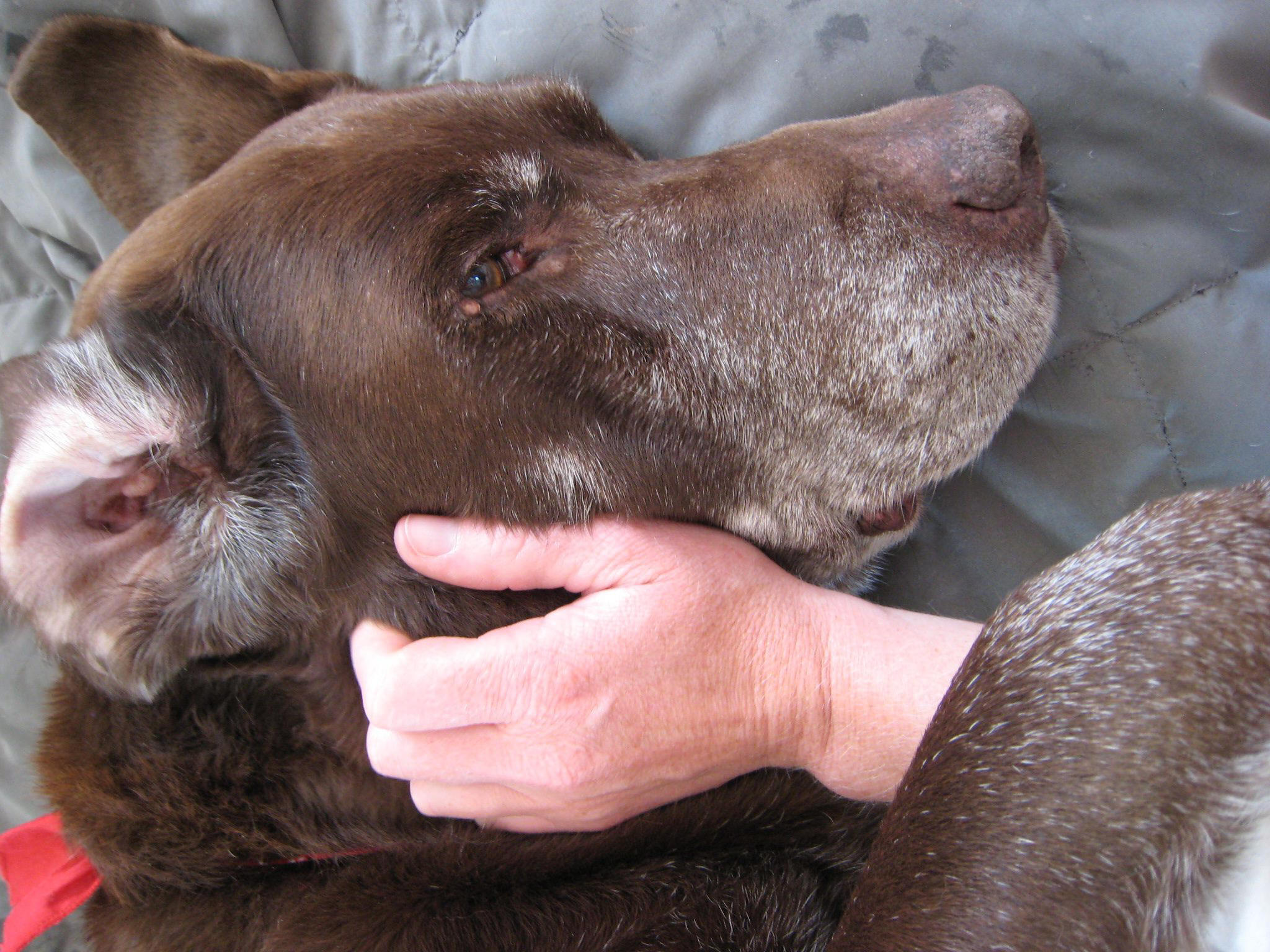 Pet
owners attribute slowing down with old age. But old age is not a disease.
There is a reason the cat is not climbing the stairs as quickly or the
dog is slow to jump in the car. It could be arthritis, muscle weakness,
or a variety of metabolic diseases. If a diagnosis can be made, there
may be treatment options. It frustrates veterinarians to hear owners
say things like "I don’t think he needs medication, he’s moving around
pretty good." The goal is to improve the pet’s quality of life from
“pretty good” to much better.
Pet
owners attribute slowing down with old age. But old age is not a disease.
There is a reason the cat is not climbing the stairs as quickly or the
dog is slow to jump in the car. It could be arthritis, muscle weakness,
or a variety of metabolic diseases. If a diagnosis can be made, there
may be treatment options. It frustrates veterinarians to hear owners
say things like "I don’t think he needs medication, he’s moving around
pretty good." The goal is to improve the pet’s quality of life from
“pretty good” to much better.
Even after pointing out abscessed teeth I sometimes hear "I don’t want
to have his teeth pulled, he's too old for anesthesia, he seems to be
eating fine." We should be focused on helping the patient to feel better
because that oral infection is right now causing pain and suffering.
Often only after rotten teeth are pulled and infections cleared up do
we realize how much happier and more playful older pets become.
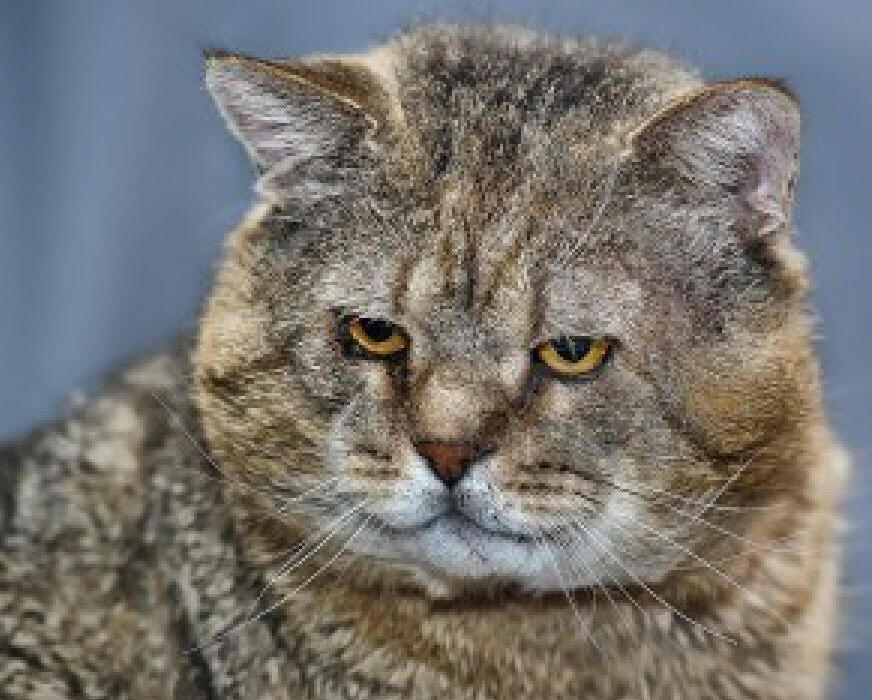 Behavior
issues in older pets can stem from disease. As an example, a dog with
an ear infection or arthritis may growl at a child who touches a sore
area. As the condition becomes chronic and the dog anticipates pain,
he growls even as the child approaches. Hearing loss can result in barking
issues, high blood pressure can cause cats to vocalize more, and decreased
vision can lead to snapping behavior when the animal is startled
Behavior
issues in older pets can stem from disease. As an example, a dog with
an ear infection or arthritis may growl at a child who touches a sore
area. As the condition becomes chronic and the dog anticipates pain,
he growls even as the child approaches. Hearing loss can result in barking
issues, high blood pressure can cause cats to vocalize more, and decreased
vision can lead to snapping behavior when the animal is startled
Ask yourself if your older pet is acting the same he did a year ago.
Is he underweight or overweight? Does he have bad breath? Is he drinking
more water? Medications may be helpful. Physical therapy and chiropractic
adjustments can help older pets with musculoskeletal problems. Carefully
chosen diets, supplements, herbals medications, and acupuncture can
help a variety of medical conditions including diabetes and kidney disease,
and can help with the symptoms of cancer.
Jack and Pearl Abrams are once again making their yearly migration South.
"It's an extra special trip now, because I never thought we would make
it down to Florida," Jack said. Any veterinarian will tell you
that we feel extra special when we hear, “I can’t believe how much you’ve
helped him. He hasn’t felt this good in years!”