
 Preparing
Your Pet
Preparing
Your Pet
for the New Baby
Dr. Rachel Addleman, DVM, DiplABVP, CVA
Veterinarian and Certified Veterinary Acupuncturist, Dr. Addleman has advanced training and Board Certification in
feline medicine. She practices in Houston, Texas and can be found at
AnimalFixer.com
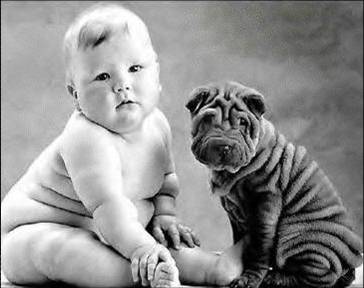
Preparing for a new baby is a very exciting time! It's a transition time for parents, and a transition time for pets. Most of us have good memories of the pets we grew up with. I think most people cherish the photos of themselves as babies with the family dog or cat looking on. Bringing a baby home to pets can be a time of anxiety. It is normal to be concerned about how a dog or cat will react to a baby and how the pet will respond when they are no longer the center of attention. Here is a short list to help you to prepare.
-
Schedule the annual exam or senior semi-annual exam ahead of time. Update the vaccinations and complete any testing before the baby comes. Ask for the kennel cough vaccine, should you need to board the dog at the last minute.
-
Prepare an emergency pet sheet. Include phone numbers for your veterinarian and someone who can watch your pet or help transport the animal to a boarding kennel if needed. List all medications and allergies and have a copy of the latest vaccination record.
-
Prepare for chronic or recurrent illnesses. Talk to your vet about keeping medication on hand for issues that seem to come up frequently.
-
A well-trained pet is safer around children. Invest in professional training if you need help. A dog that jumps on strangers is likely to jump on children. Without knowing “sit and stay” you do not have easy control over your dog’s proximity to your child. Reprimand bad behavior and then immediately reward good behavior. i.e. Reprimand “No chew!” when found chewing a baby item, then immediately offer a pet toy and praise with “Good chew!”
-
Schedule help with exercise and routine care. Line up people who can help exercise your dog or help clean the cat box. There are doggie day care facilities, professional dog walkers, but often you can employ neighborhood children to walk the dog or play ball with the dog in your yard.
-
Groomed animals are cleaner and have less dander. Get your pet used to nail trims. Rubber nail tips called SoftPaws® can be applied to nails with glue and can also help avoid accidental scratching.
-
Expose your pet to baby related events. Turn on the mechanical swings, sit in the rocker, push the stroller on a walk with the dog, or play a tape of babies crying.
-
Set boundaries for your pet ahead of time. Do not allow the pet to jump into the crib, on the changing table or rocking chair. You can apply double-stick tape to the furniture, or a use a squirt bottle to discourage this behavior. Consider installing a pet gate or screen door to the baby’s room, which allows the pet to be a part of what is going on, but keeps the baby safe.
-
Introduce the baby slowly. When you come home, greet your pet first, without the baby. Allow the pet to smell the baby’s blanket and give the pet enough time to relax and calm down. When you do bring the baby into the room, do not encourage the dog or cat to investigate the baby if they are not interested. Many will just ignore the baby and that is normal. If your dog becomes excited, use your training skills to keep the dog in a “sit and stay” position until he calms back down. Keep some treats handy so you can distract your pet if he does get too excited.
-
Pets should never be allowed alone with a baby.